ブログ

  • Regarding the Disclosure of a FeliCa Vulnerability

    Purpose

    The purpose of this statement is to criticize the following statements in relation to the fact that a team led by the author (hereinafter, the “Vulnerability Finders”) discovered and disclosed a vulnerability (hereinafter, the “Vulnerability”) in the FeliCa RC-S915 manufactured by Sony Corporation (hereinafter, the “Product Developer”) (hereinafter, the “Product”; and the family of FeliCa Standard products is hereinafter, the “Product Family”), whereby the key of an arbitrary node can be identified.

    • A statement by the Product Developer titled “Regarding Reports of a Vulnerability in Certain FeliCa IC Chips Shipped Before 2017” (https://www.sony.co.jp/Products/felica/business/information/2025001.html; hereinafter, “Statement A”).
    • A joint statement by the Ministry of Economy, Trade and Industry, the Information-technology Promotion Agency, Japan (hereinafter, “IPA”), the Japan Computer Emergency Response Team Coordination Center (hereinafter, “JPCERT/CC”), and the National Cybersecurity Office titled “Request Regarding Actions in Accordance with the Information Security Early Warning Partnership Guidelines” (https://www.ipa.go.jp/security/renkei/rk20250909.html; hereinafter, “Statement B”).

    Background

    On June 13, 2025, the Vulnerability Finders discovered the Vulnerability in the Product.

    On July 24, 2025, the Vulnerability Finders submitted information related to the Vulnerability to IPA.

    On August 22, 2025, IPA informed the Vulnerability Finders that it had accepted the Vulnerability-related information on July 24, 2025 and had set that date as the starting date, and that the Product Developer wished to contact the Vulnerability Finders directly. Thereafter, coordination regarding the Vulnerability was conducted between the Vulnerability Finders and the Product Developer with the involvement of IPA and JPCERT/CC.

    On August 28, 2025, Kyodo News (hereinafter, “Kyodo News”) distributed the first report. The Product Developer issued Statement A.

    On September 9, 2025, the Ministry of Economy, Trade and Industry, IPA, JPCERT/CC, and the National Cybersecurity Office jointly issued Statement B.

    The Product

    The Product is a contactless IC card that uses the Data Encryption Standard (hereinafter, “DES”; a 56-bit key) to encrypt communications. There is also information suggesting that Triple DES is used in some cases, but this pertains to the mutual authentication algorithm between the card and the card reader. Note that DES can be broken by brute-force attack even with computing resources that an individual can procure today.

    Reasons for Disclosing the Vulnerability

    Systems affected by the Vulnerability are those that meet the following condition:

    • The Product has been operated within the system at least once.

    Mitigation of the Vulnerability is extremely difficult for the following reasons:

    • The node key identified through the Vulnerability is shared, within the same system, with other products in the Product Family besides the Product.
    • Even if the node key stored in the Product Family is updated, the specifications allow its value to be determined externally.

    To mitigate the Vulnerability in affected systems, there is no choice but to stop using the DES scheme; in other words, the only countermeasure is to discontinue use of products within the Product Family that use DES. For this reason, the Vulnerability Finders considered it necessary to disclose the existence of the Vulnerability at an early stage so that many users could decide to discontinue use of the Product Family.

    Additionally, we understand that the Product Developer and Kyodo News coordinated the timing of disclosure behind the scenes, and ultimately reached an agreement to disclose the information after 17:00 on August 28, 2025.

    Reflection by the Vulnerability Finders

    At the time of disclosure of the Vulnerability, we should also have clearly stated the reasons for early disclosure.

    Criticism of Statement A

    On August 28, 2025, the Product Developer issued Statement A and asserted the following:

    • The security of services that use FeliCa is built at the level of the overall system for each service, in addition to the security of the FeliCa IC chip.
    • Based on information from relevant business operators, services can continue to be used with confidence.

    What the Finders take issue with is not the former point itself, but rather that the latter conclusion—“can continue to be used with confidence”—is not explained in terms of what assumptions or what threat model it is based on.

    If the intent is, for example, “the system can detect it” or “it can be compensated for by human guards and operational measures,” that is a claim along the lines of “even if damage occurs, it can be discovered afterward,” or “it can be covered by other means.” This is not sufficient as an explanation of the “high security” that end users expect (https://www.sony.co.jp/Products/felica/about/). Even if ex post verification is possible, businesses can still incur losses in contexts such as electronic money. And if the authenticity of entry/exit is dependent on human checks, the very purpose of introducing an IC card system is undermined. The Product Developer should not merely tout reassurance and safety in words, but should inform end users of realistic threats.

    Criticism of Statement B

    On September 9, 2025, the Ministry of Economy, Trade and Industry, IPA, JPCERT/CC, and the National Cybersecurity Office jointly issued Statement B and asserted the following:

    • Unless there is a legitimate reason, do not disclose vulnerability-related information to third parties.
    • Media organizations and other industry actors should not recklessly disclose vulnerability-related information prior to public announcement to third parties through reporting, social media posts, or other means.

    Request That Finders Refrain From Disclosure

    Although Statement B does not explicitly mention the Vulnerability-related information at issue here, given the timing of its issuance, it is difficult to avoid the public associating it with this matter. First, the Vulnerability Finders assert that they have a “legitimate reason,” as described in “Reasons for Disclosing the Vulnerability.”

    Next, we criticize the issuance of such a statement. On the internet, some people appear to treat the “request that finders refrain from disclosure” in the Information Security Early Warning Partnership Guidelines as absolute and akin to a law, but this is clearly incorrect. As the term indicates, it is a request and does not bind vulnerability finders. Nevertheless, issuing such a statement simply because vulnerability finders acted contrary to the request is unjust.

    Moreover, at the time of submitting the Vulnerability information, IPA had already been notified that information about the existence of the Vulnerability had been provided to the media. If there was any objection, IPA should have raised it directly with the reporter of the Vulnerability. Alternatively, it could have refused to accept the submission.

    IPA’s Negligence

    IPA accepted the Vulnerability-related information on July 24, 2025 and set that date as the starting date. In addition, the Product Developer notified JPCERT/CC in early August 2025 that it had technically confirmed the Vulnerability. Despite this, IPA did not contact the Vulnerability Finders at all until August 22, 2025. This is unacceptable for the Finders.

    The issuance of Statement B, as a result, led to online backlash against the Vulnerability Finders. With such a precedent, who would want to report vulnerabilities to IPA? The issuance of Statement B did not serve anyone’s interests.

    Measures the Product Developer Should Take

    As stated in “Reasons for Disclosing the Vulnerability,” the only countermeasure is to discontinue use of products in the Product Family that use DES. Within the Product Family, in addition to those using DES encryption, there are products using the Advanced Encryption Standard. Replacing existing systems with these is the measure the Product Developer should take. Meanwhile, according to some information, the Product Developer will not bear the costs for this. In other words, end users are being told to implement countermeasures at their own responsibility and expense. If a policy of fully passing migration costs on to users is indeed true, the barrier to mitigation for end users will rise, and as a result, overall security improvements will not progress. The Product Developer is requested to present at least the following, at a level of detail that enables end users to make decisions:

    • Clarification of the scope of impact (which products and which configurations are affected)
    • Migration guidance (deadlines, recommended procedures, compatibility, etc.)
    • An explanation of the approach to cost burden and support measures
  • FeliCa の脆弱性公表について

    目的

    本声明の目的は、筆者を筆頭とするチーム (以下、当該脆弱性発見者という。) がソニー株式会社 (以下、当該製品開発者という。) 製 FeliCa RC-S915 (以下、当該製品という。また、FeliCa Standard 製品群を以下、当該製品群という。) に存在する、任意のノードの鍵を特定できる脆弱性 (以下、当該脆弱性という。) を発見及び公表したことに係る、以下の声明への批判である。

    • 当該製品開発者による声明「2017 年以前に出荷された一部の FeliCa IC チップの脆弱性に関する指摘について」(https://www.sony.co.jp/Products/felica/business/information/2025001.html, 以下、声明 A という。)
    • 経済産業省・独立行政法人情報処理推進機構 (以下、IPA という。)・一般社団法人 JPCERT コーディネーションセンター (以下、JPCERT/CC という。)・国家サイバー統括室による声明「情報セキュリティ早期警戒パートナーシップガイドラインに則した対応に関するお願い」(https://www.ipa.go.jp/security/renkei/rk20250909.html, 以下、声明 B という。)

    経緯

    2025 年 6 月 13 日、当該脆弱性発見者は当該製品に存在する、当該脆弱性を発見。

    2025 年 7 月 24 日、IPA に対して当該脆弱性関連情報を届出。

    2025 年 8 月 22 日、IPA より 2025 年 7 月 24 日に当該脆弱性関連情報を受理し同日を起算日とした旨、及び当該製品開発者が当該脆弱性発見者と直接のコンタクトを希望している旨の連絡。以後、当該脆弱性に関する調整は IPA 及び JPCERT/CC 関与のもと、当該脆弱性発見者と当該製品開発者との間で実施。

    2025 年 8 月 28 日、一般社団法人共同通信社 (以下、共同通信社という。) より第一報配信。当該製品開発者は声明 A を発出。

    2025 年 9 月 9 日、経済産業省・IPA・JPCERT/CC・国家サイバー統括室は連名で声明 B を発出。

    当該製品

    当該製品は、非接触型 IC カードであり、その通信の暗号化に Data Encryption Standard (以下、DES という。56 bit 鍵。) を使用している。一部で Triple DES を使用しているとの情報もあるが、これはカード/カードリーダ間の相互認証アルゴリズム内でのことである。なお、DES は現代において個人で用意できる計算リソース量でも総当たり攻撃で破ることができる。

    当該脆弱性公表の理由

    当該脆弱性の影響を受けるシステムは、以下の条件を満たすものである。

    • 一度でもシステム内で当該製品を運用したことがある

    当該脆弱性は、以下の理由から対策が極めて難しい。

    • 当該脆弱性により特定されるノード鍵は同一システム内で当該製品以外の当該製品群でも共有されていること
    • 当該製品群に記録されているノード鍵を更新しても仕様上その値が外部から特定できること

    当該脆弱性の影響を受けるシステムにおいて当該脆弱性の対策をするには、DES 方式の利用を中止する他ない。すなわち、当該製品群のうち、DES を使用している製品の利用を中止することが、唯一の対策である。このため、早期に当該脆弱性の存在を公表し、多くのユーザに当該製品群利用中止の判断をさせることが必要であると考えた。

    なお、当該製品開発者と共同通信社との間では、水面下で当該脆弱性公表について時期の調整がなされており、最終的に 2025 年 8 月 28 日 17 時以降公表で合意に至ったと承知している。

    当該脆弱性発見者の反省

    当該脆弱性の公表と同時に、当該脆弱性の早期公表の理由についても明示すべきであった。

    声明 A への批判

    2025 年 8 月 28 日、当該製品開発者は声明 A を発出し、以下を主張した。

    • FeliCa を利用するサービスのセキュリティは、FeliCa IC チップのセキュリティに加え、サービスごとにシステム全体で構築される
    • 関連事業者からの情報を踏まえ引き続き安心して利用できる

    発見者が問題視するのは、前者自体ではなく、後者の「安心して利用できる」という結論が、どの前提・どの脅威モデルに基づくのかが説明されていない点である。

    仮に「システムで検知できる」「人手の警備や運用で補える」といった趣旨であるなら、それは「被害が起きても後で発見できる」とか「別の手段で補える」とかいう話であって、エンドユーザが期待する「高いセキュリティ」(https://www.sony.co.jp/Products/felica/about/) の説明としては十分ではない。後追い検証が可能でも、電子マネー等では事業者に損害が発生するし、入退館の真正性を人手に依存するなら、そもそも IC カードシステムの導入目的が揺らぐ。当該製品開発者にあっては、口先だけの安心安全を謳うのではなく、現実的な脅威についてエンドユーザに知らせるべきと考える。

    声明 B への批判

    2025 年 9 月 9 日、経済産業省・IPA・JPCERT/CC・国家サイバー統括室は連名で声明 B を発出し、以下を主張した。

    • 正当な理由がない限り脆弱性関連情報を第三者に開示するな
    • 報道機関その他産業界は公表前の脆弱性関連情報を報道や SNS での発信等を通じてむやみに第三者に開示するな

    発見者に対する情報非開示依頼

    声明 B は当該脆弱性関連情報について言及していないが、発出時期から、世上で本件と関連づけて受け止められることは避けがたい。まず、当該脆弱性発見者は、「正当な理由」として「当該脆弱性公表の理由」の通り主張する。

    次に、このような声明を発出したことに対する批判を行う。情報セキュリティ早期警戒パートナーシップガイドラインにおける「発見者に対する情報非開示依頼」を絶対的なものであり、あたかも法令のように捉える者もインターネット上では散見されるが、明らかに誤りである。これはその名の通り依頼であって、脆弱性発見者を拘束するものではない。にも拘らず、脆弱性発見者がこれに反したからと言って、このような声明を発出することは不当である。

    また、IPA には当該脆弱性情報の届出時に当該脆弱性の存在を報道機関に情報提供したことは通知済みであった。もし、これに異議があるのであれば、当該脆弱性報告者に直接申し立てれば良い。あるいは、届出を不受理とすることもできたであろう。

    IPA の怠慢

    IPA は、2025 年 7 月 24 日に当該脆弱性関連情報を受理し、同日を起算日とした。また、当該製品開発者は、2025 年 8 月上旬に JPCERT/CC に対して当該脆弱性が技術的に確認できたことを通知した。にも拘らず、2025 年 8 月 22 日まで当該脆弱性発見者になんの連絡もしなかった。これは発見者として看過しがたい。

    声明 B の発出は、結果的にインターネット上における当該脆弱性発見者へのバッシングに繋がった。このような前例があれば、一体誰が IPA に脆弱性を届出たいと思うであろうか。脆弱性を発見したらロシアや北朝鮮にでも売り飛ばしたほうがマシだと考える人もいるのではないだろうか。声明 B の発出は、誰の利益にも繋がらなかったと評価する。

    当該製品開発者が講じるべき対策

    「当該脆弱性公表の理由」で示した通り、当該製品群のうち、DES を使用している製品の利用を中止することが、唯一の対策である。当該製品群には DES 暗号を使用したものの他、 Advanced Encryption Standard を使用したものがある。現行のシステムをこれに置き換えることが、当該製品開発者が講じるべき対策である。一方、一部情報によれば当該製品開発者はこれについて費用負担を行わない。つまり、エンドユーザが自らの責任と費用で対策を行えということである。仮に移行費用をユーザに全面転嫁する方針が事実であるなら、エンドユーザにとって対策のハードルが上がり、結果的に安全性の底上げが進まない。当該製品開発者には少なくとも以下を、エンドユーザが意思決定できる粒度で示すことを求める。

    • 費用負担・支援策の考え方の提示
    • 影響範囲の明確化 (どの製品・どの構成が該当するか)
    • 移行指針 (期限・推奨手順・互換性など)

  • NaviLens コードのデコード方式

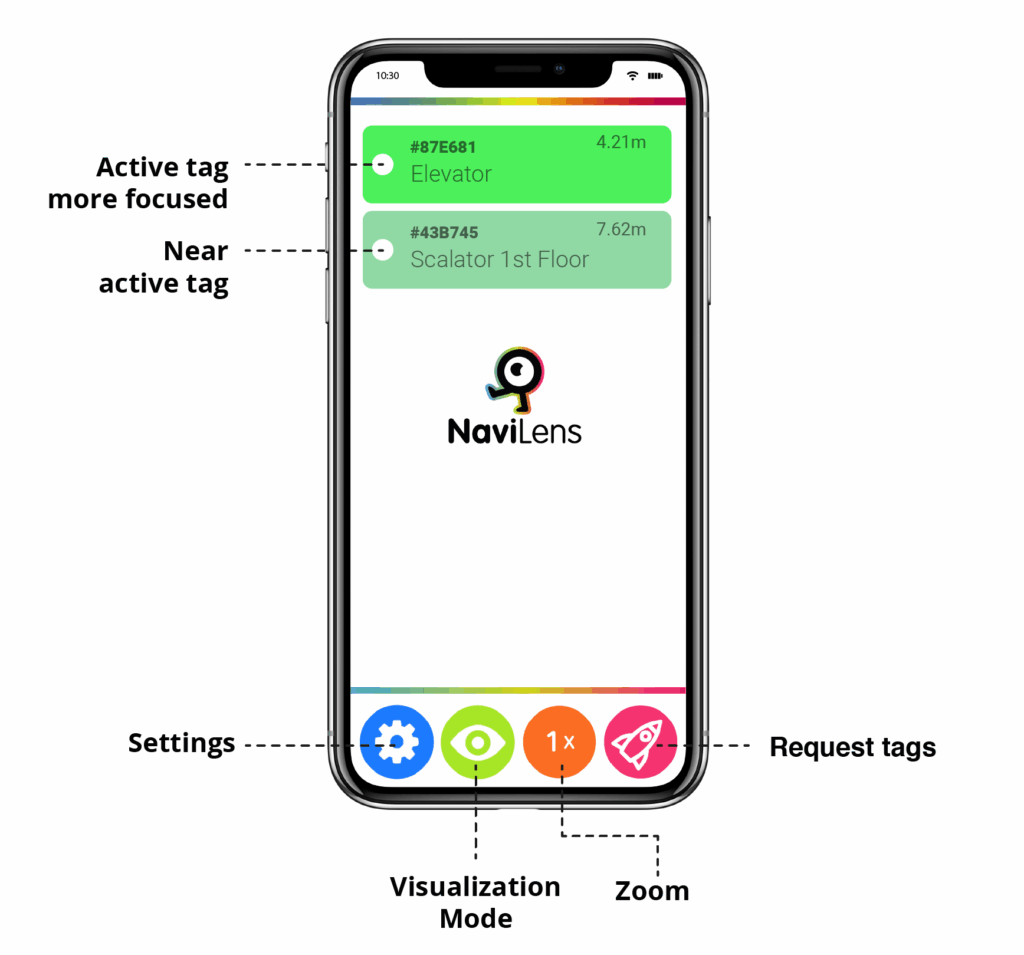
    NaviLens (ナビレンス) は、視覚障害者向けアプリで、独自の二次元コード NaviLens コードを使用しています。NaviLens コードは、遠距離からでも読み取れることをアピールしており、シアン・マゼンタ・イエロー・ブラック(以下、C/M/Y/K) の 4 色で構成されています。このデコード方法は一般に公開されていません。

    NaviLens コード – NaviLens の Web サイトより

    外観

    NaviLens コードにはいくつかのバリエーションがあるものの、多くは 7×7 のグリッドで構成されており、外周が黒の 1 セルで 5×5 のペイロード部が囲まれています。ここでは、ペイロード部の最も左上のセルを (0, 0), 最も右下のセルを (4, 4) と定義します。また、以下のセルは色が固定されていると見られます。

    • (0, 0): C
    • (0, 4): M
    • (4, 4): Y
    • (4, 0): K
    • (2, 2): C

    NaviLens アプリの画面を観察すると、このバリエーションからは 少なくとも 24 bit のデータが得られていることがわかります。また、デバイスをオフラインにすると具体的なメッセージが表示されないことから、メッセージはオンラインで照会されていることがわかります。

    NaviLens アプリにおけるデコード結果 – NaviLens の Web サイトより

    考察

    ペイロード部が 4 色で構成されることから、1 セルが2bit を表現しているものと推測できます。ペイロード部がの 25 セルであるため、実際にエンコードされているデータは固定部を除いて 40 bit と言えます。

    検討

    インターネット上で NeviLens コードを収集、NaviLens アプリで読み取った値とコードの色を対照してどのセルに各ビット列が割り当てられているかを検討します。

    結論

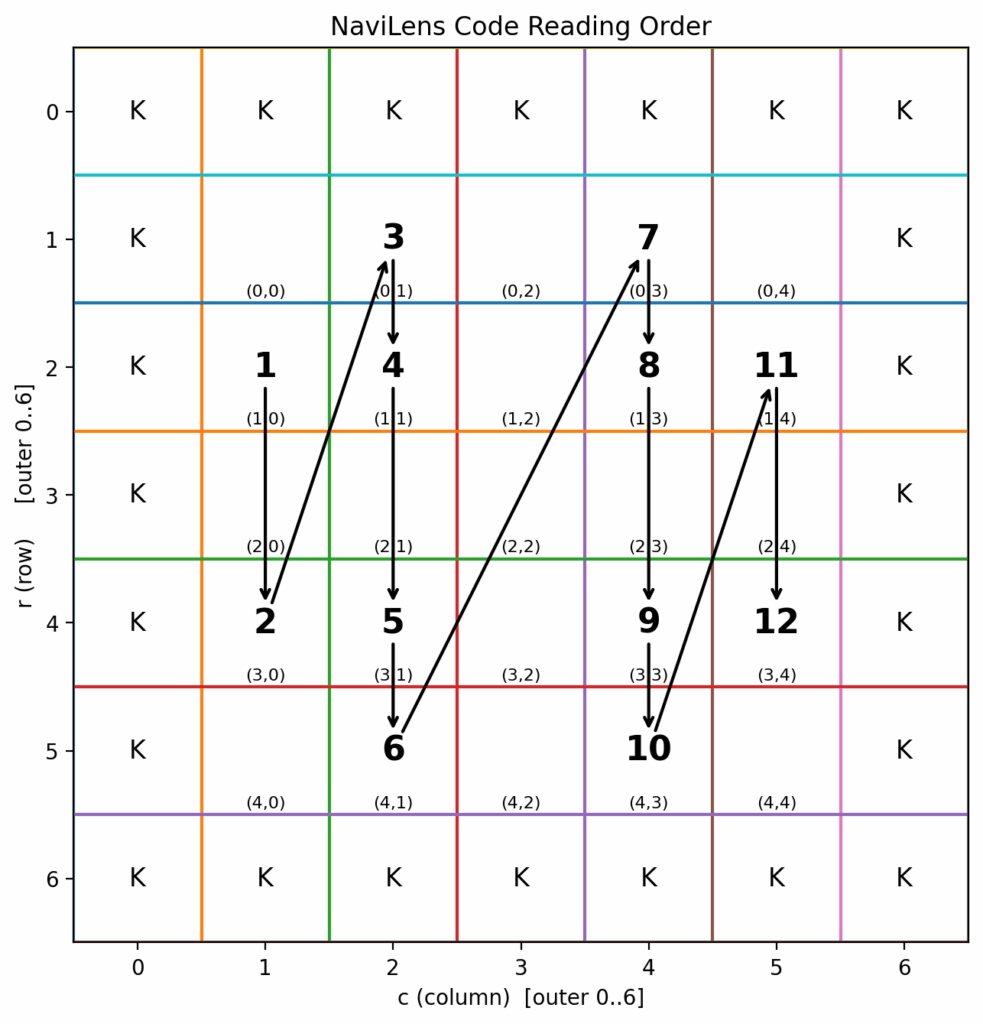
    各色へのビットの割当と読み出し位置及び順序は以下のとおりであるとわかりました。

    • C: 0b00
    • M: 0b01
    • Y: 0b10
    • K: 0b11

    色が固定でない非データ部の 8 セルは誤り検出と推測されますが、このアルゴリズムはまだ特定できていません。

  • 三菱 CELP 方式音声コーデックの分析 (デコーダ・LSP パラメータ編)

    三菱 CELP 方式音声コーデック (以下、M-CELP) は、デジタル MCA 無線や消防救急デジタル無線に用いられていることが知られる CELP 方式の音声コーデックです。このコーデックはプロプライエタリであり、消防救急デジタル無線に採用されるまではあまり知られていませんでした。消防救急デジタル無線は無線マニアによる聴取需要が大きいこともあり、5ch 上で解析を試みるコミュニティが形成され、結果的に匿名の人物による DSP エミュレータの開発に至りました。本記事では、このコーデックのデコード部におけるLSP パラメータの処理について分析します。

    解析するバイナリ

    本記事では、デジタル MCA 移動無線電話装置 EF-6190 に書き込まれている DSP 向けプログラム (Wup205r57) を解析するものとして話を進めます。

    DSP

    M-CELP は、原則として TMS320VC5416 という DSP に実装されることがわかっています。命令セットは TMS320C54x と呼ばれるものです。この逆コンパイルには Ghidra も対応していないので、解析するには逆アセンブリを読んで命令セットリファレンスと照らし合わせるほかありません。

    エントリポイント

    5ch 上の 549 氏によれば、エントリポイントはそれぞれ

    • 初期化: 0x292AA
    • エンコード: 0x39311
    • デコード: 0x29365

    です。今回はデコード部における LSP パラメータの処理が対象なので、0x29365 から処理をたどります。

    ビットストリームの解析

    ビットストリームの解析部は、0x2C975 (0x29365 -> 0x2EAF4 -> 0x2D352 -> 0x2C975) にあります。0x2C975 で解析されるビットストリームの形式は以下と思われます。(549 氏の分析も参考)

    LSP パラメータ(合計 20 ビット):

    • voiced_flag: 1 ビット
    • main_index: 7 ビット
    • sub_index_1: 6 ビット
    • sub_index_2: 6 ビット

    サブフレーム A(合計 31 ビット – 1, 3 番目のサブフレーム):

    • pitch_delay: 8ビット
    • fixed_codebook_index: 16ビット
    • gain_code_book_index: 7ビット

    サブフレーム B(合計 28 ビット – 2, 4 番目のサブフレーム):

    • pitch_delay_delta: 5 ビット
    • fixed_codebook_index: 16 ビット
    • gain_code_book_index: 7 ビット

    フレーム終端(合計 6 ビット):

    • control_bit: 1 ビット
    • 未使用: 5 ビット

    フレーム全体のビット数: 143 ビット

    ここで注目すべきなのは、LSP パラメータが有声・無声の別で異なる処理が行われると思われることと、コードブックが主・副で分かれていると思われることです。特に後者は、Split Vector Quantization (以下、SVQ) が行われていることを示しています。

    LSP のデコード

    解析されたビットストリームから LSP をデコードする処理は、0x2CE12 (0x29365 -> 0x2EAF4 -> 0x2D352 -> 0x2D14B -> 0x2D071 -> 0x2CE12) で行われています。ここで、0x2CE12 を Python で実装したコードを示します。

        # func_ce12
        def _generate_lsp_from_params(self, params: LspParameters):
            """
            Generate LSP parameters from codebook indices.
    
            Args:
                params: LspParameters containing codebook indices and voiced flag
            """
            # Get appropriate weights based on voiced flag
            is_voiced = params.voiced_flag == 1
            base_weights, history_weights = self._get_weights(is_voiced, "generation")
    
            # Initialize LSP parameters
            lsp_params = np.zeros(self.ORDER, dtype=np.int16)
    
            # Get values from codebooks and convert to int16
            main_codebook = np.array(LSP_MAIN_CODEBOOK, dtype=np.uint16).astype(np.int16)
            sub_codebook = np.array(LSP_SUB_CODEBOOK, dtype=np.uint16).astype(np.int16)
    
            main_value = main_codebook[params.main_index]
            sub_value_1 = sub_codebook[params.sub_index_1]
            sub_value_2 = sub_codebook[params.sub_index_2]
    
            # Combine main and sub values
            lsp_params[:5] = main_value[:5] + sub_value_1[:5]
            lsp_params[5:] = main_value[5:] + sub_value_2[5:]
    
            # Apply spacing adjustments
            # ar0 = 10, ar2 = 0x0060
            self._enforce_minimum_lsp_separation(lsp_params, 10)
            # ar0 = 5, ar2 = 0x0060
            self._enforce_minimum_lsp_separation(lsp_params, 5)
    
            # Apply smoothing filter
            # ar1 = 0x7BEC, ar2 = 0x0060, ar3 = 0xF205, ar4 = 0x6C8A, ar5 = 0xF1C9
            self._current_lsp_params = self._apply_smoothing_filter(
                lsp_params, base_weights, self._lsp_history, history_weights
            )
    
            # Update history with new parameters
            # ar2 = 0x0060, ar3 = 0x6C8A
            self._update_history(lsp_params)
    
            # Stabilize and store results
            # ar2 = 0x7BEC
            self._enforce_lsp_stability_constraints(self._current_lsp_params)

    SVQ のデコードは極めて簡単で、各コードブックから参照した値を前後半に分けて加算しているだけです。その後、LSP 間の最小距離を確保して安定性を高め、過去の LSP の履歴をもとに LSP の変化を緩やかにしています。最後に、最小値と最大値のクリッピングを行い、再び LSP 間の最小距離を確保して安定性を高めています。LSP の変化の平滑化では、有声・無声の別によってフィルタ重みを調整して様子もあります。

    総括

    商用の CELP 方式音声コーデックである M-CELP を分析し、計算複雑性の低減やデコードされた音声の品質の向上の方法がわかりました。

    付録

    M-CELP のデコーダの一部を Python で実装したコードを付録とします。

    from typing import Literal
    import numpy as np
    from numpy.typing import NDArray
    
    from .frame import Frame, LspParameters
    from .lsp_constants import (
        LSP_MAIN_CODEBOOK,
        LSP_SUB_CODEBOOK,
        LSP_UNVOICED_HISTORY_WEIGHTS,
        LSP_VOICED_HISTORY_WEIGHTS,
        LSP_UNVOICED_BASE_WEIGHTS,
        LSP_VOICED_BASE_WEIGHTS,
        LSP_UNVOICED_PREDICTION_WEIGHTS,
        LSP_VOICED_PREDICTION_WEIGHTS,
        LSP_COSINE_LOOKUP_TABLE,
        LSP_SINE_LOOKUP_TABLE,
    )
    
    
    class Mcelp:
        # LSP configuration constants
        ORDER = 10  # Number of LSP coefficients per frame
    
        # LSP stability constraint constants
        MIN_LSP_VALUE = 0x29  # Minimum value for first LSP
        MAX_LSP_VALUE = 0x6452  # Maximum value for last LSP
        MIN_LSP_SPACING = 0x141  # Minimum spacing between adjacent LSPs
    
        # LSP frequency domain transformation constants
        LSP_SCALING = 0x517D  # Initial scaling factor
        MAX_TABLE_INDEX = 0x3F  # Maximum lookup table index (63)
    
        # Default LSP values for initialization
        # fmt: off
        _DEFAULT_LSP_PARAMS = np.array(
            [0x0924, 0x1247, 0x1B6B, 0x248F, 0x2DB2, 0x36D6, 0x3FF9, 0x491D, 0x5241, 0x5B64],
            dtype=np.uint16
        ).astype(np.int16)
    
        _DEFAULT_FREQUENCY_DOMAIN_LSP_PARAMS = np.array(
            [0x7AD1, 0x6BB0, 0x53D4, 0x352C, 0x1237, 0xEDC9, 0xCAD4, 0xAC2C, 0x9450, 0x852F],
            dtype=np.uint16
        ).astype(np.int16)
        # fmt: on
    
        def __init__(self) -> None:
            """Initialize MCELP with default state."""
            self._reset_state()
    
        def _reset_state(self) -> None:
            """Reset internal state to default values."""
            # 0x6C8A
            self._lsp_history = np.stack([self._DEFAULT_LSP_PARAMS] * 3)
            # 0x7BEC
            self._current_lsp_params = self._DEFAULT_LSP_PARAMS.copy()
            # 0x6CB2
            self._latest_lsp_params = self._DEFAULT_LSP_PARAMS.copy()
            # 0x6F34
            self._current_frequency_domain_lsp_params = (
                self._DEFAULT_FREQUENCY_DOMAIN_LSP_PARAMS.copy()
            )
            # 0x6CBC
            self._latest_frequency_domain_lsp_params = (
                self._DEFAULT_FREQUENCY_DOMAIN_LSP_PARAMS.copy()
            )
            self._voiced_flag = False
    
        def _get_weights(
            self, voiced_flag: bool, weight_type: Literal["generation", "prediction"]
        ) -> tuple[np.ndarray, np.ndarray]:
            """
            Get appropriate weights based on voice flag and weight type.
    
            Args:
                voiced_flag: True if frame is voiced, False otherwise
                weight_type: Type of weights to retrieve ("generation" or "prediction")
    
            Returns:
                Tuple of (base_weights, history_weights)
            """
            # Select the appropriate base weights based on weight type and voiced flag
            if weight_type == "generation":
                base_weights_source = (
                    LSP_VOICED_BASE_WEIGHTS if voiced_flag else LSP_UNVOICED_BASE_WEIGHTS
                )
            else:  # prediction
                base_weights_source = (
                    LSP_VOICED_PREDICTION_WEIGHTS
                    if voiced_flag
                    else LSP_UNVOICED_PREDICTION_WEIGHTS
                )
    
            # Convert base weights to int16
            base_weights = np.array(base_weights_source, dtype=np.uint16).astype(np.int16)
    
            # Get history weights (same for both generation and prediction)
            history_weights_source = (
                LSP_VOICED_HISTORY_WEIGHTS if voiced_flag else LSP_UNVOICED_HISTORY_WEIGHTS
            )
            history_weights = np.array(history_weights_source, dtype=np.uint16).astype(
                np.int16
            )
    
            return base_weights, history_weights
    
        # func_ca35
        def _enforce_minimum_lsp_separation(
            self,
            lsp_params: NDArray[np.int16],  # ar2
            threshold: int,  # ar0
        ) -> None:
            """
            Enforce minimum separation between adjacent LSP parameters.
    
            Args:
                lsp_params: Array of LSP parameters to adjust
                threshold: Minimum separation threshold
            """
            for i in range(self.ORDER - 1):
                # Calculate difference between current and next parameter
                difference = lsp_params[i] - lsp_params[i + 1]
                adjusted_difference = difference + threshold
    
                # If parameters are too close, adjust them equally in opposite directions
                if adjusted_difference > 0:
                    half_adjustment = adjusted_difference >> 1
                    lsp_params[i] -= half_adjustment
                    lsp_params[i + 1] += half_adjustment
    
        # func_c960
        def _apply_smoothing_filter(
            self,
            current_values: NDArray[np.int16],  # ar2
            current_weights: NDArray[np.int16],  # ar3
            history_values: NDArray[np.int16],  # ar4
            history_weights: NDArray[np.int16],  # ar5
        ) -> NDArray[np.int16]:  # ar1
            """
            Apply smoothing filter to LSP parameters using weighted history.
    
            Args:
                current_values: Current LSP parameters
                current_weights: Weights for current parameters
                history_values: Historical LSP parameters
                history_weights: Weights for historical parameters
    
            Returns:
                Filtered LSP parameters
            """
            # Convert to int64 to prevent overflow during calculations
            current_values = current_values.astype(np.int64)
            current_weights = current_weights.astype(np.int64)
            history_values = history_values.astype(np.int64)
            history_weights = history_weights.astype(np.int64)
    
            filtered_values = np.zeros(self.ORDER, dtype=np.uint16)
    
            for i in range(self.ORDER):
                accumulator = current_values[i] * current_weights[i]
    
                for j in range(3):  # Process 3 frames of history
                    accumulator += history_values[j][i] * history_weights[j][i]
    
                # Scale down by 2^15
                filtered_values[i] = accumulator >> 15
    
            return filtered_values.astype(np.int16)
    
        # func_c941
        def _predict_lsp_with_feedback(
            self,
            current_values: NDArray[np.int16],  # ar1
            current_weights: NDArray[np.int16],  # ar4
            history_values: NDArray[np.int16],  # ar2
            history_weights: NDArray[np.int16],  # ar3
        ) -> NDArray[np.int16]:  # ar5
            """
            Predict LSP parameters with feedback mechanism.
    
            Args:
                current_values: Current LSP parameters
                current_weights: Weights for current parameters
                history_values: Historical LSP parameters
                history_weights: Weights for historical parameters
    
            Returns:
                Predicted LSP parameters
            """
            # Convert to int64 to prevent overflow during calculations
            current_values = current_values.astype(np.int64)
            current_weights = current_weights.astype(np.int64)
            history_values = history_values.astype(np.int64)
            history_weights = history_weights.astype(np.int64)
    
            predicted_values = np.zeros(self.ORDER, dtype=np.uint16)
            feedback = 0
    
            for i in range(self.ORDER):
                base = current_values[i] << 16
    
                for j in range(3):  # Process 3 frames of history
                    base -= (history_values[j][i] * history_weights[j][i]) << 1
    
                intermediate = base & 0xFFFF
    
                base -= feedback
    
                feedback += (current_weights[i] * intermediate) << 1
                feedback >>= 16
                feedback += (current_weights[i] * (base >> 16)) << 1
    
                predicted_values[i] = feedback >> 13
    
            return predicted_values.astype(np.int16)
    
        # func_c9ce
        def _enforce_lsp_stability_constraints(
            self,
            lsp_params: NDArray[np.int16],  # ar2
        ) -> None:
            """
            Enforce stability constraints on LSP parameters:
            1. Ensure monotonic increase
            2. Apply minimum/maximum value constraints
            3. Ensure minimum spacing
    
            Args:
                lsp_params: LSP parameters to stabilize
            """
            # Step 1: Single pass to ensure monotonic increase
            for i in range(len(lsp_params) - 1):
                if lsp_params[i] > lsp_params[i + 1]:
                    # Swap adjacent LSPs if out of order
                    lsp_params[i], lsp_params[i + 1] = lsp_params[i + 1], lsp_params[i]
    
            # Step 2: Apply minimum value constraint to first LSP
            lsp_params[0] = max(lsp_params[0], self.MIN_LSP_VALUE)
    
            # Step 3: Ensure minimum spacing between adjacent LSPs
            # Uses original values as reference to prevent cascading shifts
            for i in range(len(lsp_params) - 1):
                min_next_value = lsp_params[i] + self.MIN_LSP_SPACING
                if lsp_params[i + 1] < min_next_value:
                    lsp_params[i + 1] = min_next_value
    
            # Step 4: Apply maximum value constraint to last LSP
            lsp_params[-1] = min(lsp_params[-1], self.MAX_LSP_VALUE)
    
        # func_c7ee
        def _transform_lsp_to_frequency_domain(
            self, lsp_params: NDArray[np.int16]  # ar2
        ) -> NDArray[np.int16]:  # ar3
            """
            Transform LSP parameters from line-pair domain to frequency domain.
    
            Args:
                lsp_params: LSP parameters to transform
    
            Returns:
                Transformed frequency domain parameters
            """
            # Convert lookup tables to int64 to prevent overflow
            cos_table = (
                np.array(LSP_COSINE_LOOKUP_TABLE, dtype=np.uint16)
                .astype(np.int16)
                .astype(np.int64)
            )
            sin_table = (
                np.array(LSP_SINE_LOOKUP_TABLE, dtype=np.uint16)
                .astype(np.int16)
                .astype(np.int64)
            )
    
            scaled_values = np.zeros(self.ORDER, dtype=np.uint16)
            lsp_params = lsp_params.astype(np.uint64)
    
            for i in range(self.ORDER):
                # Initial scaling
                initial_product = (lsp_params[i] * self.LSP_SCALING) << 1
    
                # Calculate lookup table index and interpolation fraction
                table_index = initial_product >> 8
                table_index = min(table_index, self.MAX_TABLE_INDEX << 16) >> 16
                fraction = ((initial_product >> 16) & 0xFF) << 3
    
                # Linear interpolation between lookup table values
                base_value = cos_table[table_index] << 16
                scale_factor = sin_table[table_index]
                interpolation = (scale_factor * fraction).astype(np.int64) << 1
    
                scaled_values[i] = (base_value + interpolation).astype(np.int64) >> 16
    
            return scaled_values.astype(np.int16)
    
        # func_c9c2
        def _update_history(
            self,
            lsp_params: NDArray[np.int16],  # ar2
        ) -> None:
            """
            Update LSP parameter history by shifting and inserting new parameters.
    
            Args:
                lsp_params: New LSP parameters to add to history
            """
            # Shift history array and insert new parameters at index 0
            # self._lsp_history: ar3
            self._lsp_history = np.roll(self._lsp_history, 1, axis=0)
            self._lsp_history[0] = lsp_params.copy()
    
        # func_ce12
        def _generate_lsp_from_params(self, params: LspParameters):
            """
            Generate LSP parameters from codebook indices.
    
            Args:
                params: LspParameters containing codebook indices and voiced flag
            """
            # Get appropriate weights based on voiced flag
            is_voiced = params.voiced_flag == 1
            base_weights, history_weights = self._get_weights(is_voiced, "generation")
    
            # Initialize LSP parameters
            lsp_params = np.zeros(self.ORDER, dtype=np.int16)
    
            # Get values from codebooks and convert to int16
            main_codebook = np.array(LSP_MAIN_CODEBOOK, dtype=np.uint16).astype(np.int16)
            sub_codebook = np.array(LSP_SUB_CODEBOOK, dtype=np.uint16).astype(np.int16)
    
            main_value = main_codebook[params.main_index]
            sub_value_1 = sub_codebook[params.sub_index_1]
            sub_value_2 = sub_codebook[params.sub_index_2]
    
            # Combine main and sub values
            lsp_params[:5] = main_value[:5] + sub_value_1[:5]
            lsp_params[5:] = main_value[5:] + sub_value_2[5:]
    
            # Apply spacing adjustments
            # ar0 = 10, ar2 = 0x0060
            self._enforce_minimum_lsp_separation(lsp_params, 10)
            # ar0 = 5, ar2 = 0x0060
            self._enforce_minimum_lsp_separation(lsp_params, 5)
    
            # Apply smoothing filter
            # ar1 = 0x7BEC, ar2 = 0x0060, ar3 = 0xF205, ar4 = 0x6C8A, ar5 = 0xF1C9
            self._current_lsp_params = self._apply_smoothing_filter(
                lsp_params, base_weights, self._lsp_history, history_weights
            )
    
            # Update history with new parameters
            # ar2 = 0x0060, ar3 = 0x6C8A
            self._update_history(lsp_params)
    
            # Stabilize and store results
            # ar2 = 0x7BEC
            self._enforce_lsp_stability_constraints(self._current_lsp_params)
    
        # func_d071 Part 1
        def _generate_lsp_from_codebook(self, params: LspParameters) -> None:
            """
            Generate new LSP parameters from codebook indices.
    
            Args:
                params: LspParameters containing codebook indices and voiced flag
            """
            # ar1 = 0x7BEC, ar7 = 0x6C8A
            self._generate_lsp_from_params(params)
            # ar3(0x7BEC) -> ar2(0x6CB2)
            self._latest_lsp_params = self._current_lsp_params.copy()
            self._voiced_flag = params.voiced_flag == 1
    
        # func_d071 Part 2
        def _predict_lsp_parameters(self) -> None:
            """
            Predict LSP parameters based on history and current state.
            """
            # Get appropriate weights based on voiced flag
            base_weights, history_weights = self._get_weights(
                self._voiced_flag, "prediction"
            )
    
            # Copy latest parameters to current
            # ar2(0x6CB2) -> ar3(0x7BEC)
            self._current_lsp_params = self._latest_lsp_params.copy()
    
            # Calculate predicted parameters
            # ar1 = 0x6CB2, ar2 = 0x6C8A, ar3 = 0xF1E7, ar4 = 0xF223, ar5 = 0x7BE2
            predicted_lsp_params = self._predict_lsp_with_feedback(
                self._latest_lsp_params,
                base_weights,
                self._lsp_history,
                history_weights,
            )
    
            # Update history with predicted parameters
            # ar2 = 0x7BE2, ar3 = 0x6C8A
            self._update_history(predicted_lsp_params)
    
        # func_d071
        def process_frame(self, frame: Frame) -> np.ndarray:
            """
            Process a frame of speech data to generate or predict LSP parameters.
    
            Args:
                frame: Frame containing control bit and LSP parameters
    
            Returns:
                Frequency domain LSP parameters
            """
            if frame.control_bit == 0:
                # Generate new LSP from codebook
                self._generate_lsp_from_codebook(frame.lsp_params)
            else:
                # Predict LSP based on history
                self._predict_lsp_parameters()
    
            # Transform to frequency domain
            # ar2 = 0x7BEC, ar3 = 0x6F34
            self._current_frequency_domain_lsp_params = (
                self._transform_lsp_to_frequency_domain(self._latest_lsp_params)
            )
    
            return self._current_frequency_domain_lsp_params
  • なぜ DAM Multi Dimensional Sound は優れていないのか

    DAM Multi Dimensional Sound (以下、MDS) とは、第一興商製商用カラオケ機器 LIVE DAM WAO! (型番: DAM-XG9000; 以下、XG9) に採用される新たな演奏方式です。詳細は以下の記事に譲ります。

    簡単に言えば、従来の同社機種は搭載しているハードウェア MIDI 音源で楽曲を演奏していましたが、この機種では事前に録音した音声データを収録しそのまま再生するということです。この方式が従来の方式に比べて優れていない理由を説明します。

    従来方式 A (通常/MIDI + ADPCM 方式)

    従来の通常の方式は、MIDI と呼ばれる楽譜のような情報をもとに、MIDI 音源という電子楽器が事前にサンプリングされた楽器等の音を再生して楽曲を演奏していました。また、これだけでは表現できない音 (バックコーラス等) を再生するために、ADPCM とばれる別の音声データを再生する機能もありました。

    従来方式 B (生音/MP3 方式)

    従来の生音と呼ばれる方式は、実際の楽器で演奏した音声を MP3 に収録し、そのまま再生することにより楽曲を演奏していました。

    MDS (Opus + ADPCM 方式)

    MDS は、音声データ Opus (MP3 のようなもの) と ADPCM を併せて再生して楽曲を演奏する方式です。技術的詳細は以下の記事に譲ります。

    音質の問題

    MDS は結局の所、一部の楽曲で従来方式 A (通常) の録音を用いているだけということがわかっています。この方式では、テンポやキーを変更する操作 (タイムストレッチ・トランスポーズ) を行うと音質が悪化してしまうという欠点が現れてしまいます。この点、従来の MIDI 音源であれば克服することが可能でした。なお、従来方式 B (生音) ではこの欠点が同様に現れます。

    容量の問題

    ほとんどの楽曲で採用されている従来方式 A (通常) の場合、カラオケ機器のディスク容量を専有するデータの多くが MIDI ファイル (実際には OKD 方式) です。MIDI ファイルは、音声そのものではなく音声を再生するのに必要な演奏情報を含んでいるのみであり、楽譜のようなものであるため、多くの場合数十から数百 kB の容量で収まっていました。しかし、音声そのものを含む MDS の場合、10 MB を超えることが珍しくありません。音質が改善するわけでもなく、ただデータの容量だけが肥大しているのです。

    どうしてこうなったのか

    匿名の有識者は

    XG9 が脱 MIDIしてるの、CRI が自社依存率を上げて脱YAMAHA 方向に営業しているとかな気もする

    と推測します。CRI とは、株式会社CRI・ミドルウェアのことで、LIVE DAM Ai (型番: DAM-XG8000; 以下、XG8) から採点ゲームなど機器の一部のソフトウェアを開発しています。一方、YAMAHA は遅くとも BB Cyber DAM (型番: DAM-G100; 以下、G100)の頃から DAM シリーズの開発に関わっています。

    2025-03-13 追記

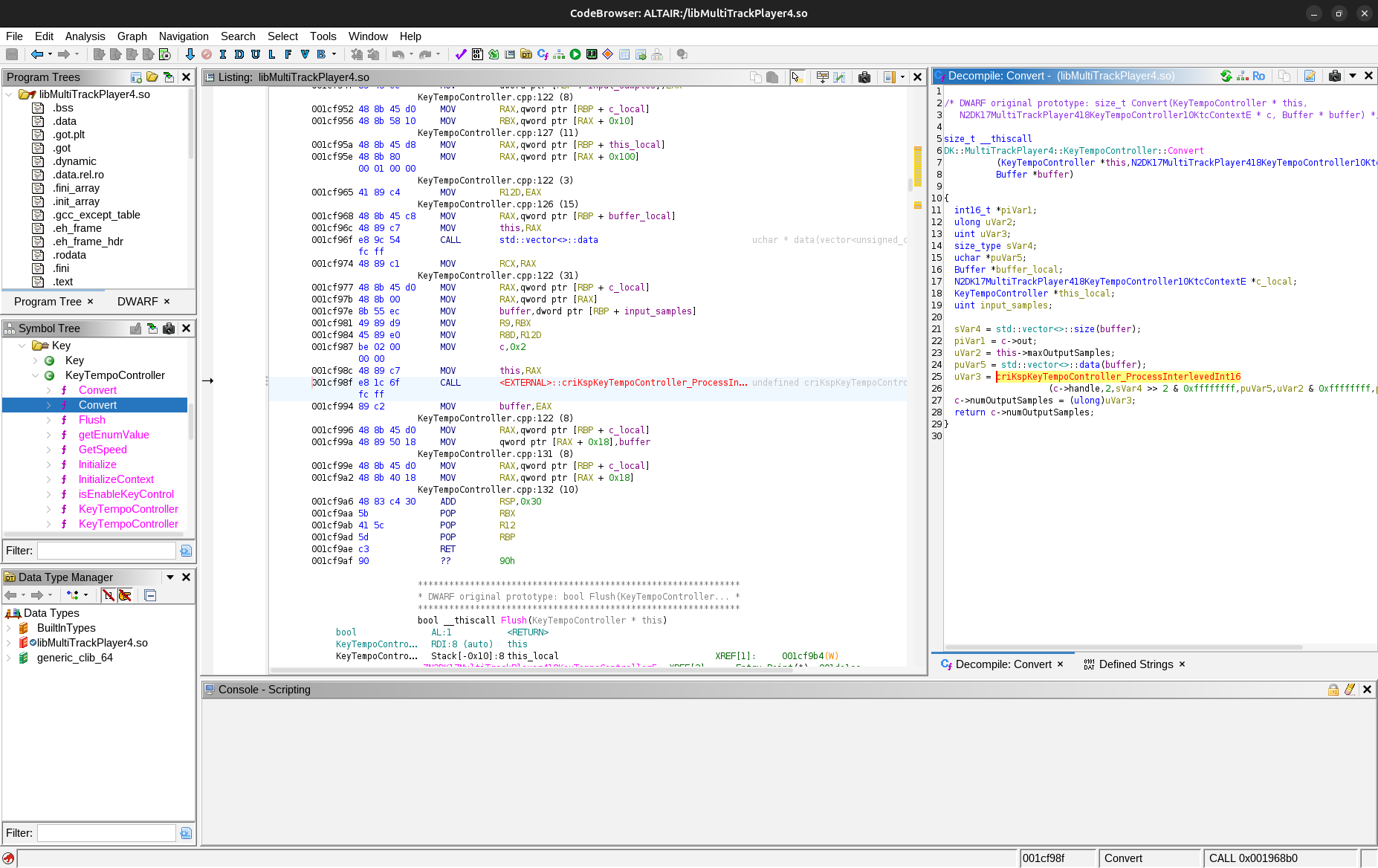
    この推測を裏付けるのが libMultiTrackPlayer4.so 内のテンポ・キー変更操作に関するコードです。このコード内では、関数 criKspKeyTempoController_ProcessInterlevedInt16 が呼ばれています。この関数は、libcri_ksp_key_tempo_controller.so の中にあり、CRI が開発したライブラリにテンポ・キー変更操作が依存していることがわかります。

    libMultiTrackPlayer4.so 内で関数 criKspKeyTempoController_ProcessInterlevedInt16 が呼ばれている様子

  • DAM Multi Dimensional Sound の正体

    DAM Multi Dimensional Sound (以下、MDS) とは、第一興商製商用カラオケ機器 LIVE DAM WAO! (型番: DAM-XG9000; 以下、XG9) に採用される新たな演奏方式です。技術的詳細は以下の記事に譲ります。

    簡単に言えば、従来の同社機種は搭載しているハードウェア MIDI 音源で楽曲を演奏していましたが、この機種では事前に録音した音声データを収録しそのまま再生するということです。

    「これまでにない臨場感あふれるサウンド」とは何か

    プレスリリースによれば

    従来の音源技術を見直し、新たに「DAM Multi Dimensional Sound」へと進化させました。最新のソフトウェアシンセサイザーや生演奏を組み合わせたハイブリッド演奏方式を採用することで、使用できる音源に制約がなくなり、これまでにない臨場感あふれるサウンドを実現します。

    従来のMIDI音源方式に加えて、最新のソフトウェアシンセサイザーやプロミュージシャンの生演奏を組み合わせたハイブリッド演奏方式を採用。高音質かつ重厚なサウンドが楽しめます。

    などとされています。従来の同社機種の演奏方式よりも優れた音質になったかのような表現がされていることがわかります。そこで、実際に従来の機種による演奏と MDS とでは音声がどのように異なるかを検証しました。

    音声波形の比較

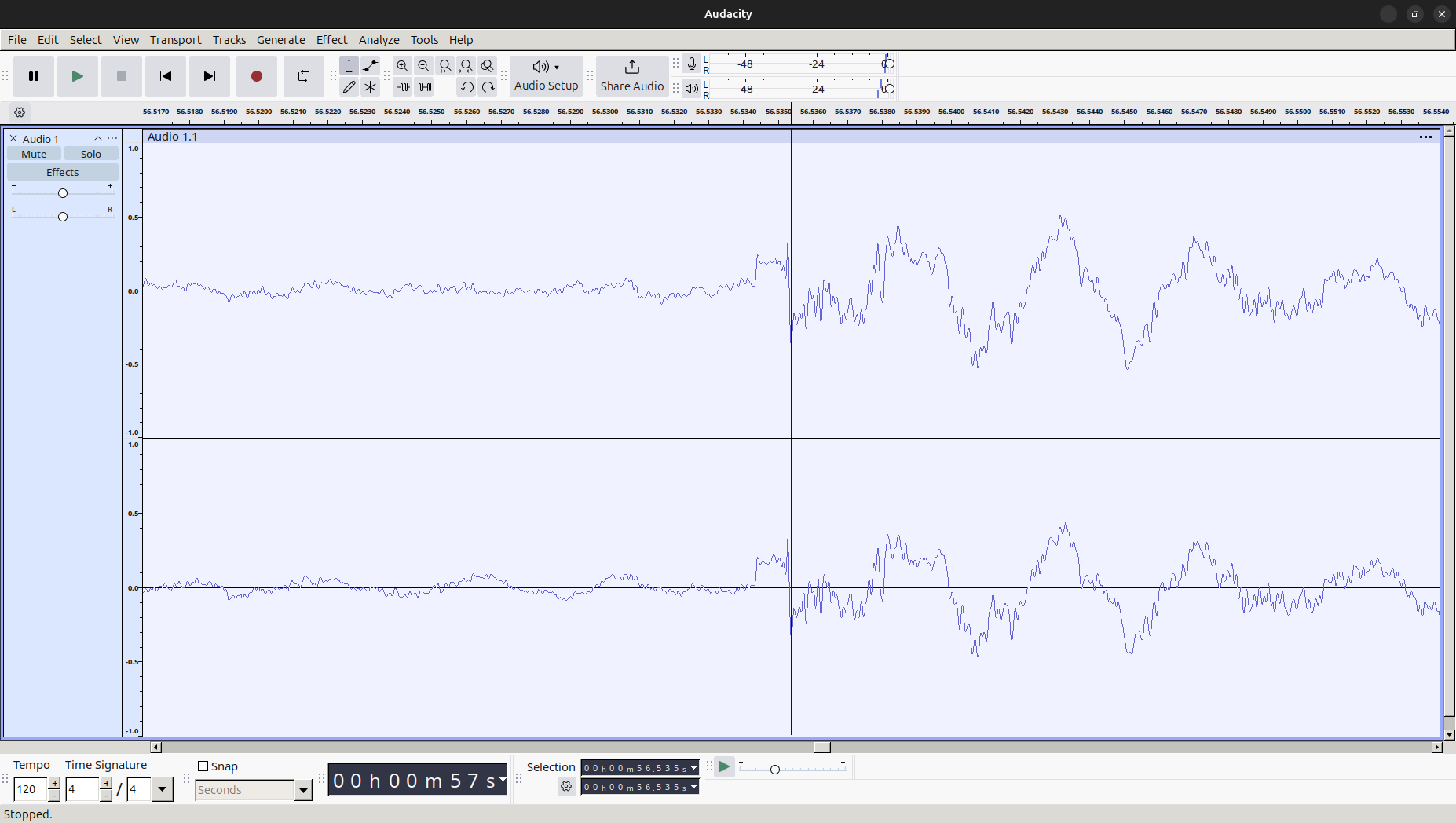
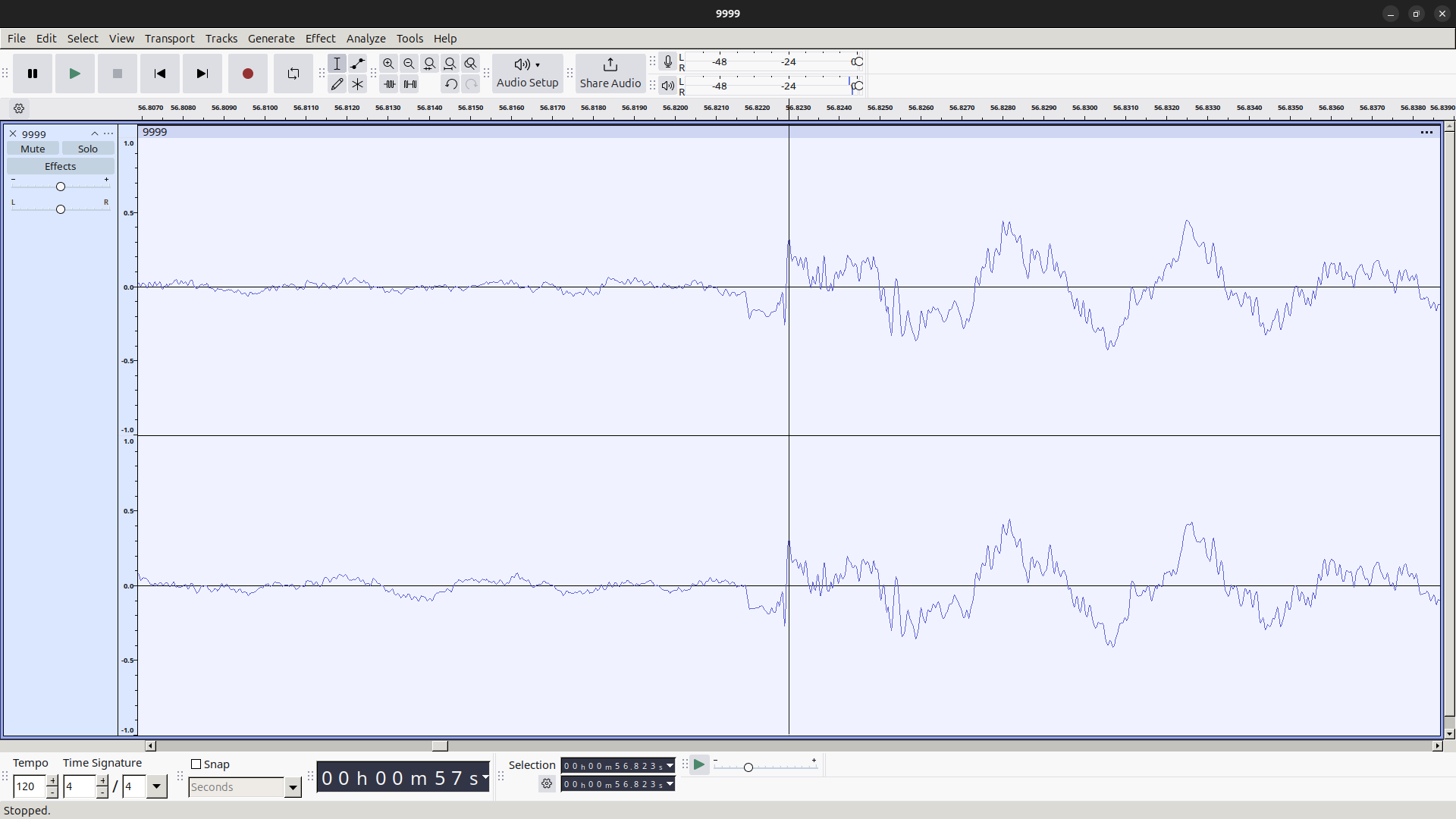
    わかりやすく、LIVE DAM Ai (型番: DAM-XG8000; 以下、XG8) に由来する従来のハードウェア MIDI 音源による出力を録音した音声 (以下、音声 A) と MDS 方式のファイルから抽出した音声 (以下、音声 B) の波形を比較します。今回注目する部分は、to the beginning – Kalafina (DAM 楽曲情報) の 56.82 秒付近、パーカッションのみが演奏される部分です。これらの波形を示します。

    音声 A の波形
    音声 B の波形

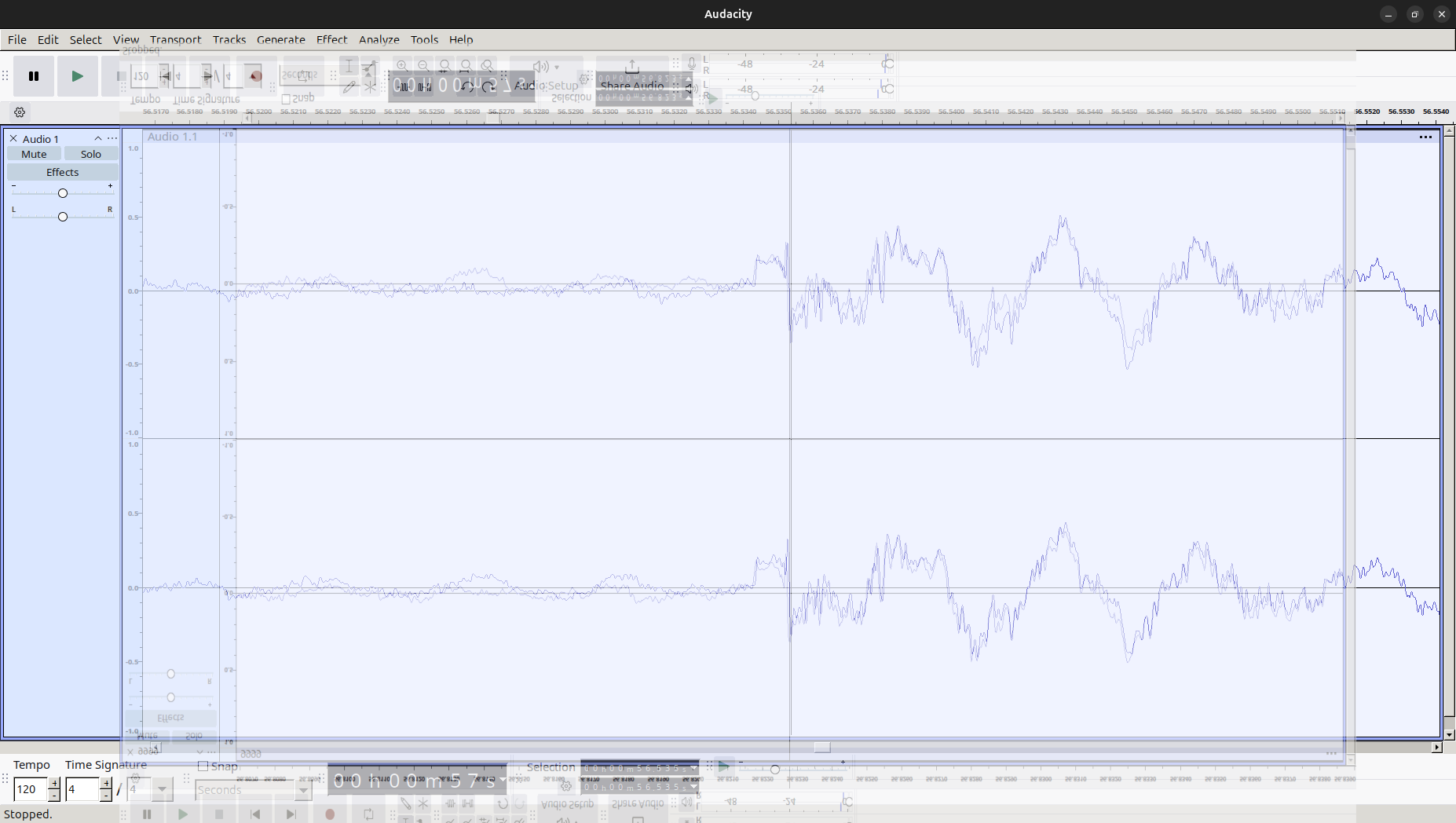
    これらを一見してわかることは、おおよその形、特に楽器の鳴り始めの部分が似ていることです。一方、位相は逆であるように見えます。ここで、両者の画像を重ね合わせ、さらに位相やスケールをできるだけ一致するように上下反転、拡大縮小した画像を示します。

    それぞれの波形が概ね一致することがわかります。

    結論

    音声 A の録音時の音量、発声タイミングやフィルタ処理の微妙な違い等を考慮すると、音声 A と音声 B はほぼ同一のものであると言えます。言い換えれば、MDS の音声には従来のハードウェア MIDI 音源による出力を録音した音声も含まれているということであり、少なくとも今回検証した楽曲においては、従来の演奏方式よりも優れた音質の音声が出力されるということはないようです。

  • LIVE DAM WAO! の分析

    LIVE DAM WAO! (型番: DAM-XG9000; 以下、XG9)は、第一興商製の商用カラオケ機器です。

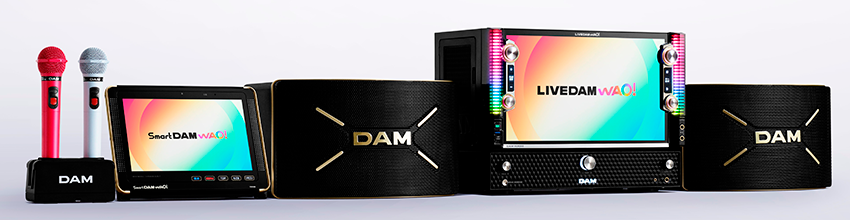
    LIVE DAM WAO! (右から 2 番目) 及び周辺機器; プレスリリースより

    旧機種からの主な変更点は、以下とされます。(プレスリリースより抜粋)

    • DAM Multi Dimensional Sound
    • 歌うまフィルター
    • なりきりエフェクト
    • ハモルン
    • 精密採点Ai Heart

    分析手法

    今回の分析では、システムログとソフトウェアのバイナリを入手し、これらを利用しました。なお、これらは適法に取得されたものです。

    ハードウェアアーキテクチャ

    今回分析した XG9 (シリアル番号: BA0NNNNN;以下、対象 XG9) の主なハードウェアアーキテクチャは、以下です。

    ソフトウェアアーキテクチャ

    対象 XG9 の主なソフトウェアアーキテクチャは、以下です。

    • OS: Poky Linux 11.3.0
    • カーネル: Linux 5.15.49-intel-pk-standard
    • メインプログラム名: altair

    DAM Multi Dimensional Sound

    この記事では、従来の MIDI 音源に代わるとされる DAM Multi Dimensional Sound について掘り下げます。これはプレスリリースにおいて

    従来のMIDI音源方式に加えて、最新のソフトウェアシンセサイザーやプロミュージシャンの生演奏を組み合わせたハイブリッド演奏方式を採用。高音質かつ重厚なサウンドが楽しめます。

    と説明されています。

    ヤマハ製音声入出力ボード YBD

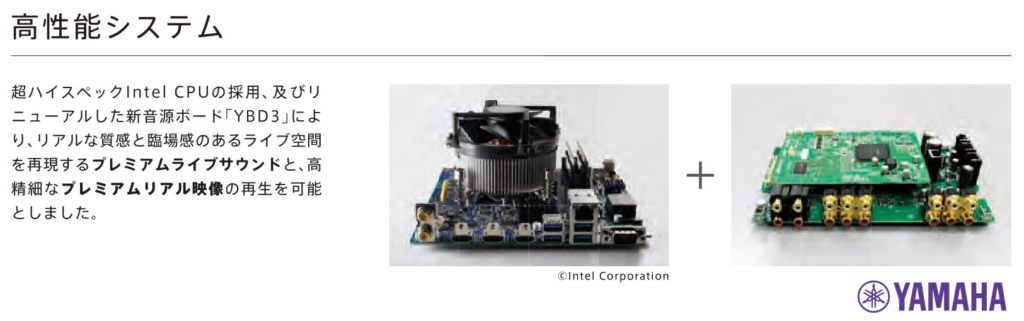
    一世代前の機種である LIVE DAM Ai (型番: DAM-XG8000; 以下、XG8)までは、YAMAHA が開発したカラオケ機器向け音源ボード (音声入出力ボード) YBD シリーズが搭載されていました。

    Advantech 製マザーボード HVS-1010K (左) と YAMAHA 製音源ボード YBD3 (右); XG8 カタログより

    XG9 において、YBD がどうなったかをソフトウェアから考察します。XG8 と XG9 には、それぞれ SphinxManager (XG8)、SphinxManager2 (XG9) というソフトウェアが搭載されています。SphinxManager(2) は、両機種に搭載された音声入出力デバイスを制御するためのものです。XG8 の SphinxManager には、USB 接続された MIDI デバイスを制御するためのコードが含まれていました。しかし、XG9 の SphinxManager2 には、それが含まれていません。他のソフトウェアを探しても、そのような部分は見つかりませんでした。つまり、XG9 の音声入出力ボードには、MIDI 音源は搭載されていないと結論付けられます。(搭載されているが使用されないという可能性は一旦考えないものとします。)

    MTF 形式

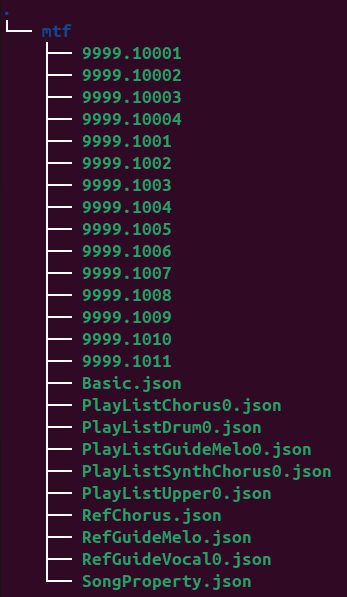
    従来の MIDI 方式で用いられていた楽曲演奏情報ファイル OKD 形式 (関連: 同人誌, GitHub リポジトリ) の代替となる楽曲音声ファイル が MTF 形式です。MTF 形式の実体は gzip で圧縮されたアーカイブファイルであり、展開すると以下のようなファイルが現れます。

    各ファイルの内容は、以下です。

    • 9999.1000[1-4]: パーカッション, その他, ガイドメロディ,シンセサイザコーラス (OPUS)
    • 9999.10NN: バックコーラス (ADPCM)
    • *.json: メタデータ等

    他、AutoVocalEffect.mid というファイルが含まれる場合があり、新機能のなりきりエフェクトの制御で使用されるようです。なりきりエフェクトはプレスリリースで

    原曲でアーティストが使用している特殊なボイスエフェクトを再現。対象のパートのときだけ拡声器になったり、機械音声のエフェクトがかかるなど、ライブや原曲の雰囲気に近づけることができます。

    と説明されています。

    総括

    LIVE DAM WAO! は、商用カラオケ機としては珍しく MIDI 音源を搭載しないことを選択した機種です。このような機種が誕生した理由は主に

    • インターネット回線の広帯域化
    • HDD の高容量化

    であると考えます。XG9 と第一興商との間を結ぶ回線は 100 Mbps から 1 Gbps の帯域幅を持ちますし、XG9 は 12 TB の HDD を 2 台搭載しています。従来、MIDI ファイルは小さな情報量で幅広い表現力を持つ演奏情報ファイルとして利用され、演奏されるときには演奏機械で MIDI を解釈し音声を生成していました。しかし、演奏機械に転送し、保存される情報の量の制限が緩和され、このような方式を用いなくて良いと判断されたのでしょう。この判断の良し悪しの評価は行いませんが、カラオケ機器の新しい形が生まれたといえます。

  • プログラミング言語 Ruby の馴染めない点

    私は昨年、 Ruby を用いて Web サービスを開発するという業務に少しだけ従事しました。
    そこで初めて Ruby というプログラミング言語について基本的な事項を知ることになったのですが、これがどうも私にはしっくりこないものであったので、関係する事実とその感想等を述べたいと思います。

    関数呼び出しの括弧を省略する記法がある

    多くのプログラミング言語では、f という名の関数を呼び出すとき

    f()
    f(arg1)
    f(arg1, arg2)

    などとしますが、Ruby においてはリファレンスマニュアルの該当項目にある通り、括弧を省略した

    f
    f arg1
    f arg1 arg2

    のような記法が許されています。

    x = a

    などと記述されると、x に変数 a の値が代入されるのか、あるいは関数 a を呼び出した返り値が代入されるのか視覚的にわかりません。
    これは、非常に混乱する記法であるからやめるべきだと思いました。

    if 文と逆の役割をする構文がある

    リファレンスマニュアルの該当項目にある通り、if 文と逆の役割をする unless 文があります。

    unless error_detected
      p "Hello, world!" # 正常時ここに到達する
    end

    私にはこの構文の必要性が理解できません。

    if !error_detected
      p "Hello, world!" # 正常時ここに到達する
    end

    ではいけないのでしょうか。

    同義の組み込み関数が別名で複数ある

    String::size(), String::length() などがこれに該当します。
    混ぜて使うと混乱するため、どちらかだけで良いのではないでしょうか。

    &&, || の式が真偽値以外を返す

    JavaScript などにも似た仕様がありますが、リファレンスマニュアルの該当項目 には

    && 演算子について

    左辺を評価し、結果が偽であった場合はその値(つまり nil か false) を返します。左辺の評価結果が真であった場合には右辺を評価しその結果を返します。

    あるいは || 演算子について

    左辺を評価し、結果が真であった場合にはその値を返します。左辺の評価結果が偽であった場合には右辺を評価しその評価結果を返します。

    とあり

    nil && false && 1 && 0 # nil
    nil || false || 1 || 0 # 1

    のようになります。

    また、nil と false の評価は同じ偽であるのに

    nil || false = nil
    false || nil = false

    となり、これも直感的に理解すると記述を誤る可能性がある記法であるからやめるべきだと思いました。

    &&, ||, ! 演算子と and, or, not 演算子がある

    リファレンスマニュアルの該当項目 には

    and は同じ働きをする優先順位の低い演算子です。

    あるいは

    or は同じ働きをする優先順位の低い演算子です。

    などとあります。なぜ同じ役割を持つ論理演算子が異なる優先順位で複数存在しているのかが理解できません。

    not 演算子に至っては、! 演算子と全く同じです。
    明らかに混ぜて使うと混乱するため、どちらかだけで良いのではないでしょうか。

    独特な命名慣習

    自らのオブジェクトや引数に取ったオブジェクトに破壊的な影響を及ぼすなど、「呼び出しに注意を要する」関数には f! などと末尾に感嘆符を付して命名するといものの、
    「呼び出しに注意を要する」というのが具体的にどのような基準であるのか明文化されていません。

    また、真偽値を返す関数には f? などと末尾に疑問符を付して命名するそうです。これは明解ではありますが、なぜ真偽値を返す関数だけ特別扱いなのでしょうか。

    総括

    以上に述べた点は、私の主観にはしっくりこないものでした。
    そのような記法を忌避すれば良いのではないかという意見があるかと思いますが、どうも Ruby のプログラマは私が違和感を感じる記法であっても積極的に用いるようです。
    ソフトウェアの開発は必ずしも一人で行うものではないため、私一人が特定の記法を忌避するというのは難しいです。

  • Hello world!

    私は、日本の東京都で主にコンピュータエンジニアとして活動する soltia48 (ソルティアよんはち) といいます。

    これまで、個人としてブログを書いたことはありませんが、独り言をつぶやいていた Twitter のサービスの提供が不安定になってきた等のきっかけがあって、このような場を作りました。

    このブログは至ってくだけた性質のもので、基本的に筆者個人に帰属します。

    よろしくお願いします。